Mortice Locks & Yale Nightlatches
Two of the most common lock types found on Cambridge front doors are the 5-lever mortice deadlock and the Yale-type nightlatch — and both need to be right for your home insurance to pay out if the worst happens. Whether you live in a Victorian terrace off Mill Road, a flat in a modern block near the Grafton, or a rented house in Romsey, Chesterton Locksmith fits, upgrades, and replaces both lock types every day of the year. We are a fully insured, mobile locksmith service operating 24 hours a day, seven days a week, including bank holidays — we come to you, wherever you are in the Cambridge area.
Open 24 hours, 7 days a week · Fully insured
This page explains exactly what mortice deadlocks and Yale nightlatches do, when each needs attention, what determines the cost of the work, and why getting the specification right matters far more than most householders realise. If you need us now, call 01223 912859 and we will send a locksmith straight away — we are usually with you in about 30 minutes.
What we do
Available 24/7
Day, night, weekends and bank holidays — a real local locksmith answers and sends a fully-stocked van.
We come straight away
Based in Cambridge, we send a locksmith straight away — we're usually with you in about 30 minutes.
Fully insured
Vetted locksmiths, a clear price on the phone, and no surprise add-ons when we arrive.
Damage-free entry
We pick and bypass locks the right way, so most lockouts are solved without drilling anything.
Mortice Locks and Yale Nightlatches: What Each One Actually Does
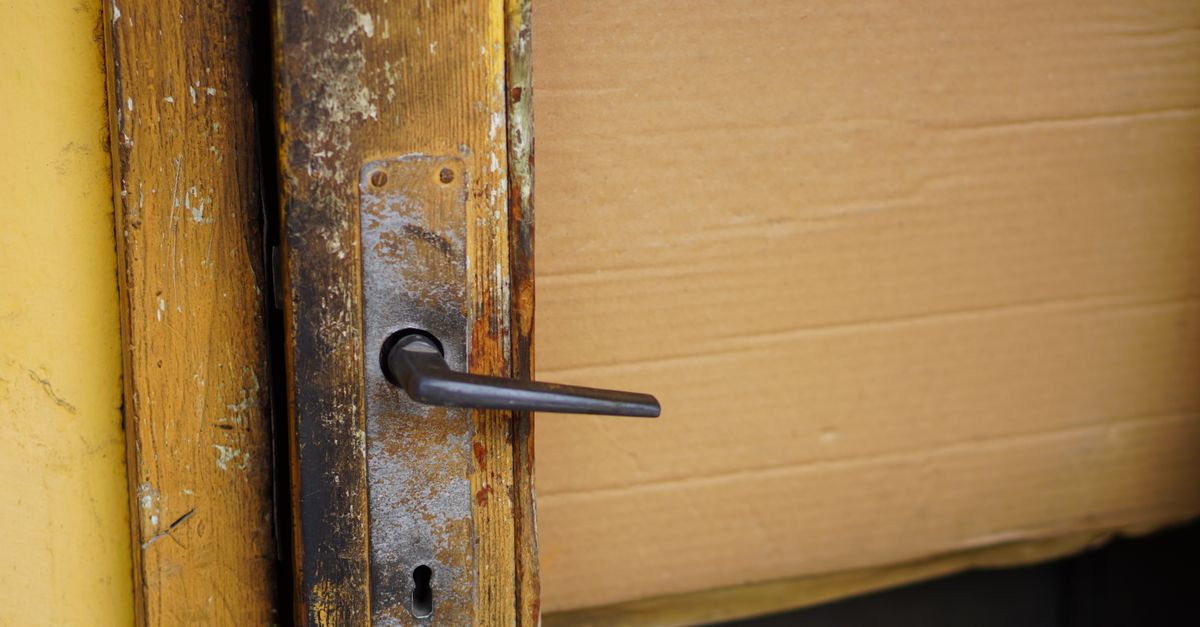
A mortice deadlock sits inside a pocket — the mortice — cut into the edge of the door itself. When you turn the key, a solid bolt shoots into the keep on the door frame, locking the door completely still. A deadlock has no spring: nothing moves unless a key turns it, which is why insurers trust it. The British Standard for insurance-grade mortice deadlocks is BS3621, which specifies a 5-lever mechanism, a hardened steel bolt, and anti-pick, anti-drill, and anti-saw resistance. If your policy requires BS3621 and your lock does not carry that kite mark on the faceplate, your insurer may reduce or refuse a claim after a burglary. Many older Cambridge properties — particularly the long rows of Edwardian and inter-war terraces in areas like Petersfield and Newnham — still have original or early-replacement mortice locks that do not meet this standard.
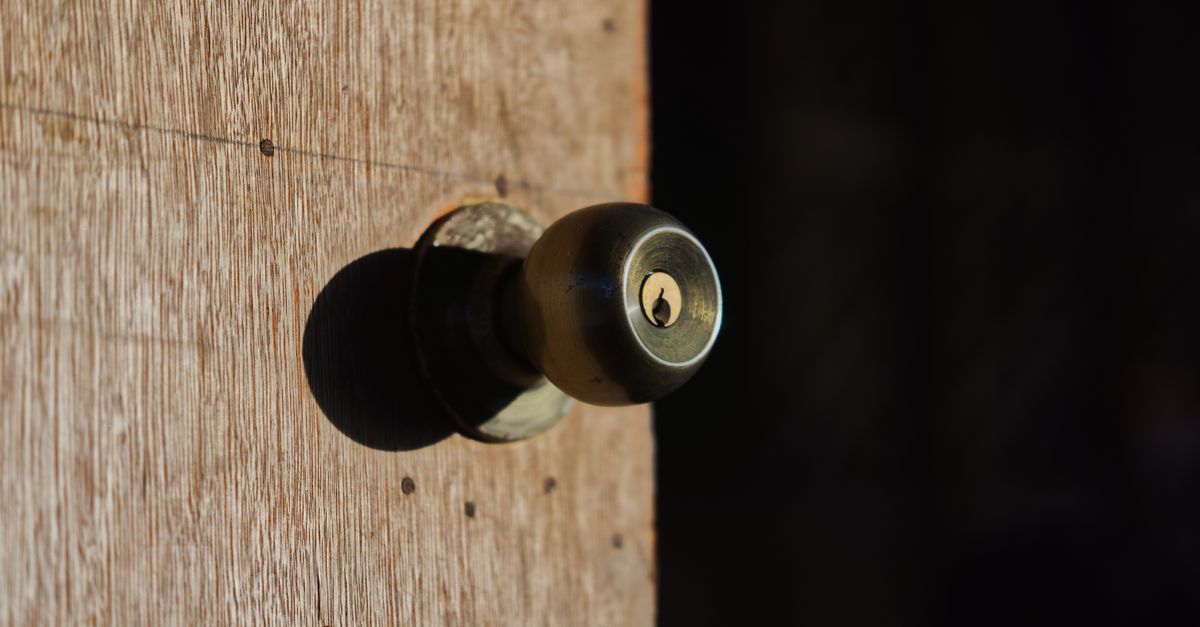
A Yale-type nightlatch, by contrast, is a surface-mounted latch fitted to the inside face of the door. Its spring-loaded latch bolt snaps shut automatically when the door closes, so you do not need a key to secure yourself in — useful at night or when your hands are full of shopping. On its own, however, a nightlatch offers limited security: the latch can often be pushed back without a key if the door fits poorly, and the screws fixing it to the door face are accessible from outside if the door is opened even slightly. This is why a nightlatch should always be paired with a properly fitted BS3621 mortice deadlock, not used as the sole means of securing an external door.
Fitting and Replacing 5-Lever Mortice Deadlocks — Lock Change Cambridge
Fitting a new 5-lever mortice deadlock to a timber door is skilled work. The mortice pocket must be the right depth and width for the chosen lock case, the faceplate must sit flush with the door edge, and the keep on the frame must align precisely — a few millimetres out and the bolt will not engage cleanly, putting unnecessary stress on both the lock and the frame. Our trained technicians carry a range of BS3621-compliant 5-lever deadlocks to suit the different door thicknesses and backset measurements common on Cambridge properties, from narrow-stile Victorian doors to the heavier hardwood doors seen on some newer builds. Where a previous lock has been drilled, picked, or simply worn out, we remove it cleanly and make good the door edge before fitting the replacement, so the new lock seats correctly from day one.
A common reason for a lock-change request on a timber door is a change of tenancy. Cambridge has a large and active private rental market, and landlords and letting agents routinely instruct us to replace mortice deadlocks between occupancies to ensure outgoing tenants cannot re-enter. We are equally used to working directly with tenants who have been given permission by their landlord to upgrade the security on their flat or house. In every case, before any work starts, we confirm an exact up-front quote — the final figure depends on the lock specification required, the type and condition of the door, the time of day, and travel within the Cambridge area — so there are no surprises on the invoice.

Door Lock Replacement Cambridge: Yale Nightlatches Done Properly
Yale-type nightlatches vary considerably in quality. The most basic versions use a simple rim cylinder that can be drilled or snapped in a matter of seconds. Upgraded versions use anti-drill, anti-pick cylinders with hardened steel inserts, and some include a deadlocking facility — a secondary bolt that prevents the main latch from being pushed back — which significantly improves resistance to casual attack. When we fit or replace a nightlatch, we always discuss with the householder which level of cylinder is appropriate for their door and their insurance requirements, and we fit everything damage-free where the existing door and frame allow. The lock body is fixed through the door, the cylinder engages from the outside, and the backplate and connecting bar are set to the correct length for the door thickness — details that matter for both security and smooth daily use.
For properties in Cambridge city centre, in particular houses near the university colleges or flats in converted period buildings, door furniture often has to match existing aesthetics or meet requirements set by a managing agent or conservation area guidance. We work within those constraints, selecting hardware that balances the security specification with the visual requirements of the property. If you are unsure what your insurer or landlord requires, we can advise on the spot — our technicians are experienced enough to have encountered almost every combination of door type, frame condition, and tenancy requirement across the Cambridge area.
Emergency Locksmith Cambridge: When You Are Locked Out or the Lock Has Failed
A failed or damaged lock is not always a planned job. Locks seize, keys snap inside cylinders, and nightlatch springs give out without warning — often late in the evening or on a bank holiday when it is least convenient. As a 24 hour locksmith Cambridge residents can call at any time, we treat out-of-hours calls exactly the same as daytime ones. Call 01223 912859 — the line is answered around the clock — and we will confirm your location, explain the likely cause, give you a clear quote before anyone travels, and dispatch a technician straight away. We aim to be with you within about 30 minutes for most Cambridge postcodes.
Before calling us, it is always worth checking whether a window or back door is on the latch, or whether a trusted neighbour or family member holds a spare key. If neither applies — and especially if the lock is damaged rather than simply stiff — do not attempt to force entry yourself, as this can cause costly damage to the door or frame. Our trained technicians use professional, non-destructive methods wherever possible to regain access, and if the lock does need to be replaced as a result of a break-in or failed mechanism, we carry stock in the van so we can fit a new BS3621-compliant lock on the same visit and leave the door secure. For anyone who has experienced a break-in, we also recommend calling 999 and waiting for the police to attend before having the lock replaced, so the scene is not disturbed before it has been assessed.

Frequently asked questions
Does my home insurance actually require a BS3621 mortice deadlock?
Many home insurance policies for properties with timber front doors do specify a 5-lever mortice deadlock that meets BS3621. The requirement is usually written into the policy schedule under the security conditions section. If you are unsure, check your policy documents or call your insurer directly — they will tell you the exact standard required. If your current lock does not carry the BS3621 kite mark on the faceplate, we can replace it with one that does. We carry compliant 5-lever deadlocks in the van and can usually complete the work on the same visit.
How much does it cost to have a mortice lock or Yale nightlatch fitted in Cambridge?
We do not quote figures on this page because the final price depends on several factors: the type and size of lock required, the material and condition of your door and frame, the time of day (evenings, weekends, and bank holidays affect the call-out element), and your location within the Cambridge area. What we always do is confirm an exact up-front quote before any work begins — there are no hidden additions afterwards. Call 01223 912859 and we can usually give you a clear figure over the phone once we understand the job.
My Yale nightlatch has stopped latching properly — do I need to replace the whole lock?
Not necessarily. The most common cause is a worn or tired spring inside the latch body, or a latch bolt that is slightly out of line with the keep on the frame — often because the door has dropped or the frame has moved over time. We will assess whether the problem is the lock mechanism itself, the cylinder, or the alignment of the door and frame. Sometimes a simple adjustment to the keep resolves it; other times the latch body needs to be replaced. We will tell you which applies before carrying out any work and confirm the cost upfront.
Can you replace just the cylinder on a Yale nightlatch without changing the whole unit?
Yes, in most cases. Yale-type nightlatches use a standard rim cylinder, and in the majority of fittings the cylinder can be changed independently of the lock body. This is a common request after a change of tenancy, a lost key, or an upgrade to a higher-security cylinder. We carry a range of rim cylinders, including anti-drill and anti-pick versions, and can swap the cylinder and refit everything on the same visit. If the lock body itself is worn or damaged, we will tell you so and discuss whether replacing the full unit makes more sense.
I live in a rented flat in Cambridge — can I have my locks changed without telling my landlord?
Generally, no. Most tenancy agreements require the tenant to get the landlord's permission before changing or replacing door locks, and in some cases the landlord is legally required to hold a key. We regularly carry out lock changes instructed by landlords and letting agents in Cambridge, and we also work with tenants who have written permission from their landlord to upgrade the security. If you are unsure of your rights, speak to your landlord or letting agent first — we are happy to work alongside whoever is authorised to make decisions about the property once that is confirmed.
What is the difference between a deadlock and a deadlatch, and does it matter?
A deadlock has a bolt that only moves with a key — it cannot be pushed back by hand. A deadlatch has a latch bolt that springs shut automatically but can also be deadlocked with a key to prevent it being pushed back. The distinction matters for insurance and security: a standard nightlatch without a deadlocking function is easier to defeat. For a timber front door, the most secure arrangement is a BS3621 5-lever mortice deadlock fitted alongside a good-quality nightlatch with an anti-drill cylinder. If you are unsure what you currently have, our technicians can assess your door and advise on what, if anything, needs upgrading.